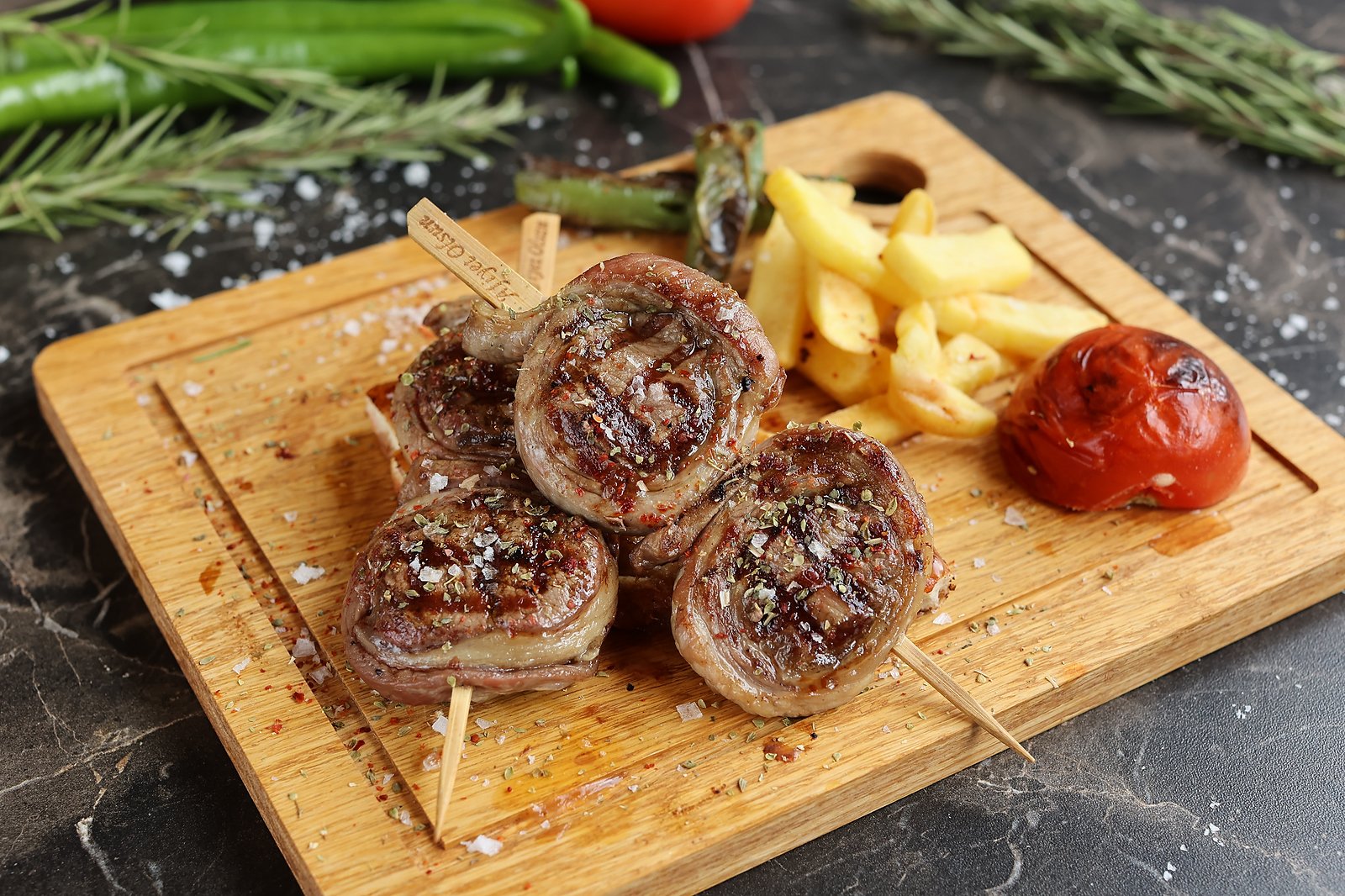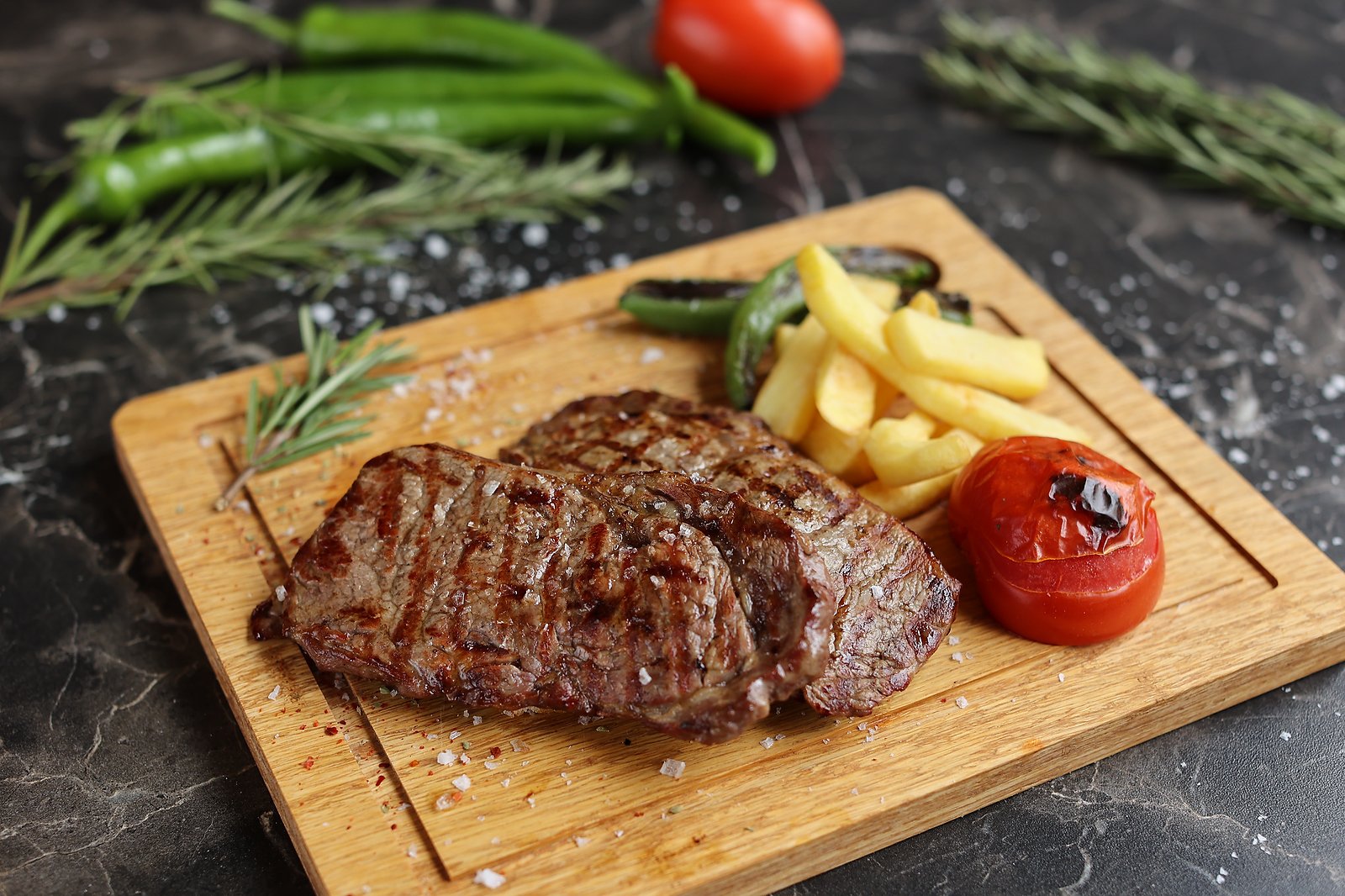
Beef straight off the carcass is tough. Not slightly — genuinely difficult to eat. Everything that makes a steak worth eating happens in the days after, while the meat hangs in a cold room and nothing appears to be going on.
What is actually happening
Enzymes already present in the muscle keep working after slaughter and slowly break down the proteins that hold the fibres rigid. The meat softens on its own. At the same time moisture evaporates from the surface, so what is left is more concentrated in flavour. Neither can be rushed.
Why it costs more
Because you lose weight and space. A hindquarter can shed a serious share of its weight as water, and the dried outer layer gets trimmed away and thrown out. Add several weeks of cold storage and the same animal yields less sellable meat than it would have on day two. That difference ends up in the price.
What to look for
- Colour. Properly aged beef is darker — deep red to almost burgundy, not bright pink.
- Surface. Dry and slightly tacky, never wet. Meat sitting in liquid in a tray was not aged, it was stored.
- Smell. Nutty and clean. Sour is a different thing entirely.
How we do it
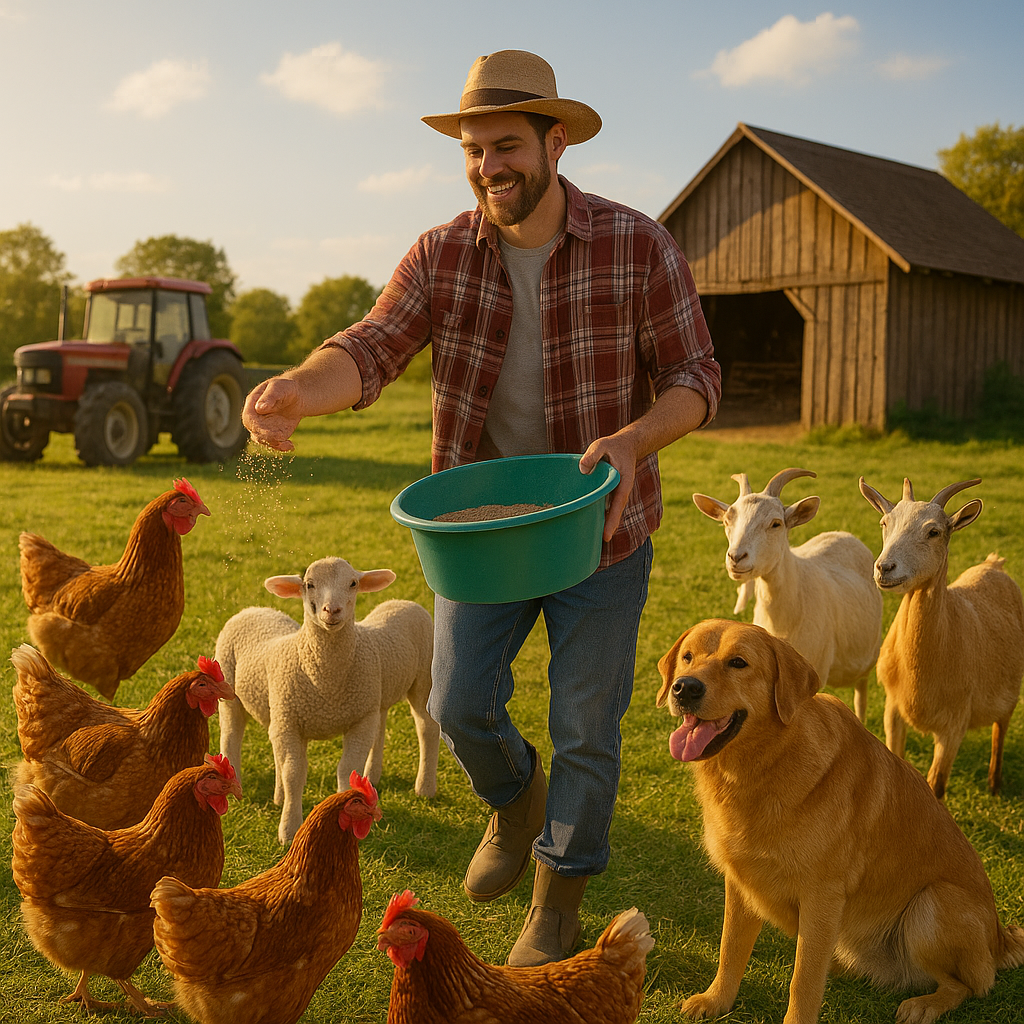
Our cattle are fattened on our own pastures and processed in our own abattoir, so the meat goes into the cold room within hours rather than after a day on a truck. That head start matters: ageing works properly only on a carcass that was handled well before it ever got there.
Where to get it
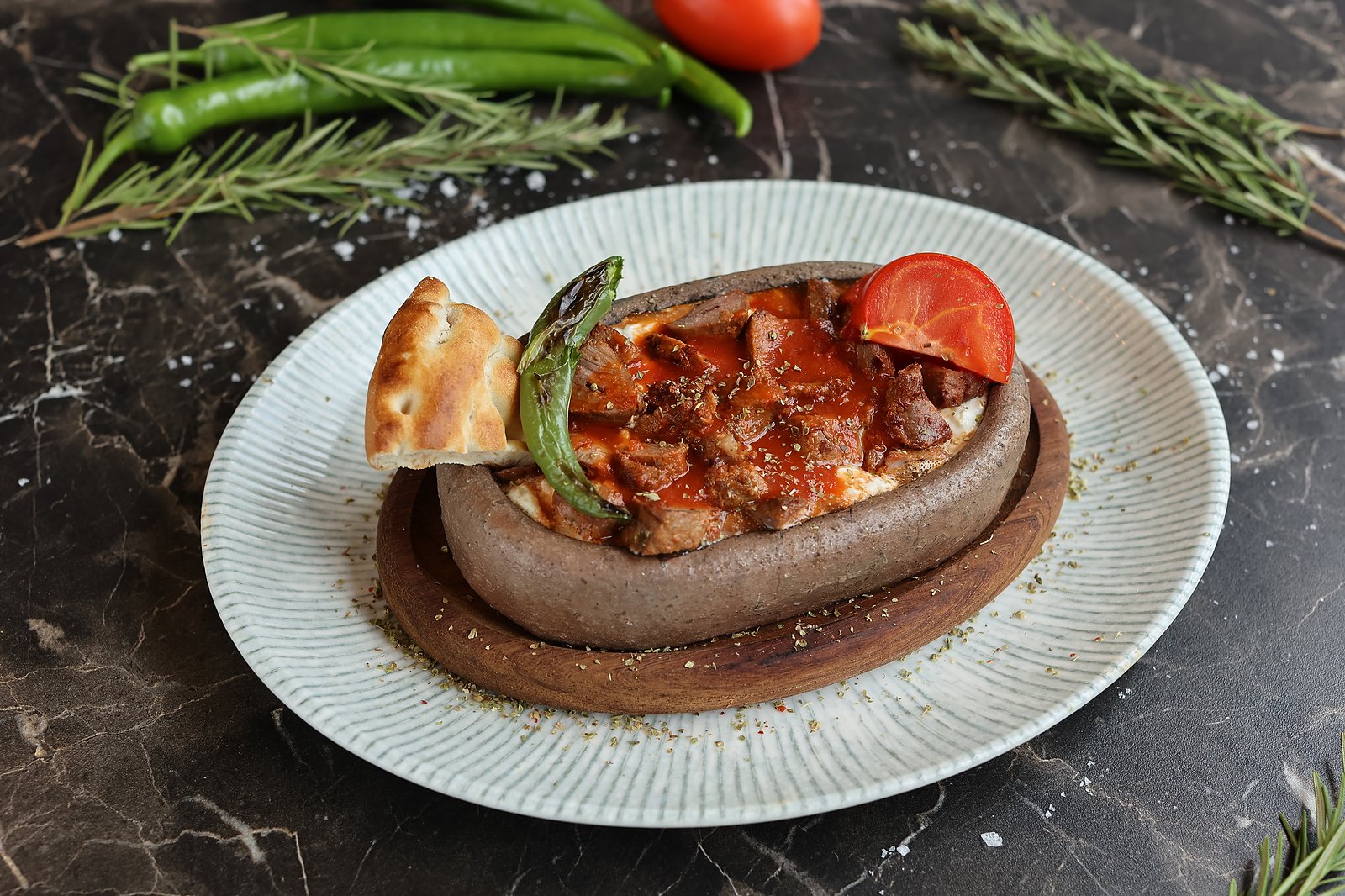
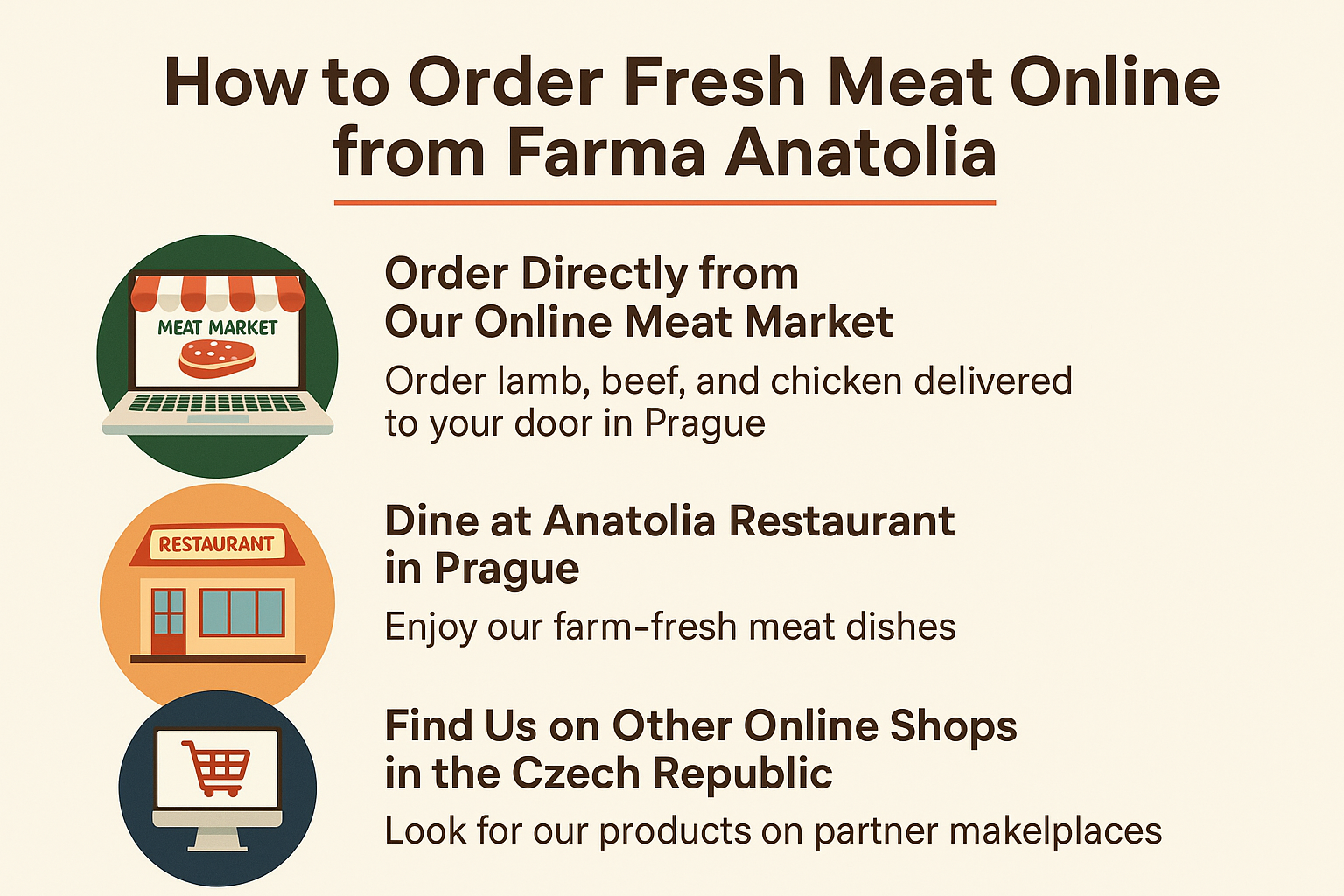
All of it comes from our own farm near Rakovník and our own abattoir. You can buy it over the counter at Anatolia Meat Market, Na Poříčí 1933/36, Prague 1 (every day 09:00–21:00), order it online, or eat it cooked over charcoal next door at Anatolia Grill Restaurant.