Eggs are the one thing on the farm you can judge yourself, in your own kitchen, in about ten seconds. Crack one and it tells you most of what you want to know.
The yolk
Deeper orange comes from what the hen eats — grass, insects, seeds. It can also come from a colourant added to feed, so colour alone proves nothing. What is harder to fake is how the yolk stands up. A fresh egg from a healthy hen sits high and domed and does not break when you tip the pan.
The white
A good egg has two visible layers: a thick white that clings around the yolk and a thin one that spreads. As an egg ages the thick white breaks down and everything runs flat across the pan. This is why old eggs are hopeless for poaching and fine for baking.
The shell
Hens with room to move and enough calcium lay stronger shells. Colour, on the other hand, is just breed — brown eggs are not better than white ones, they only cost more because brown hens eat more.
The float test
Drop an egg into a glass of water. It sinks and lies flat when very fresh; it stands on end after two or three weeks as the air cell grows; it floats when it is past it. No guessing required.
Ours
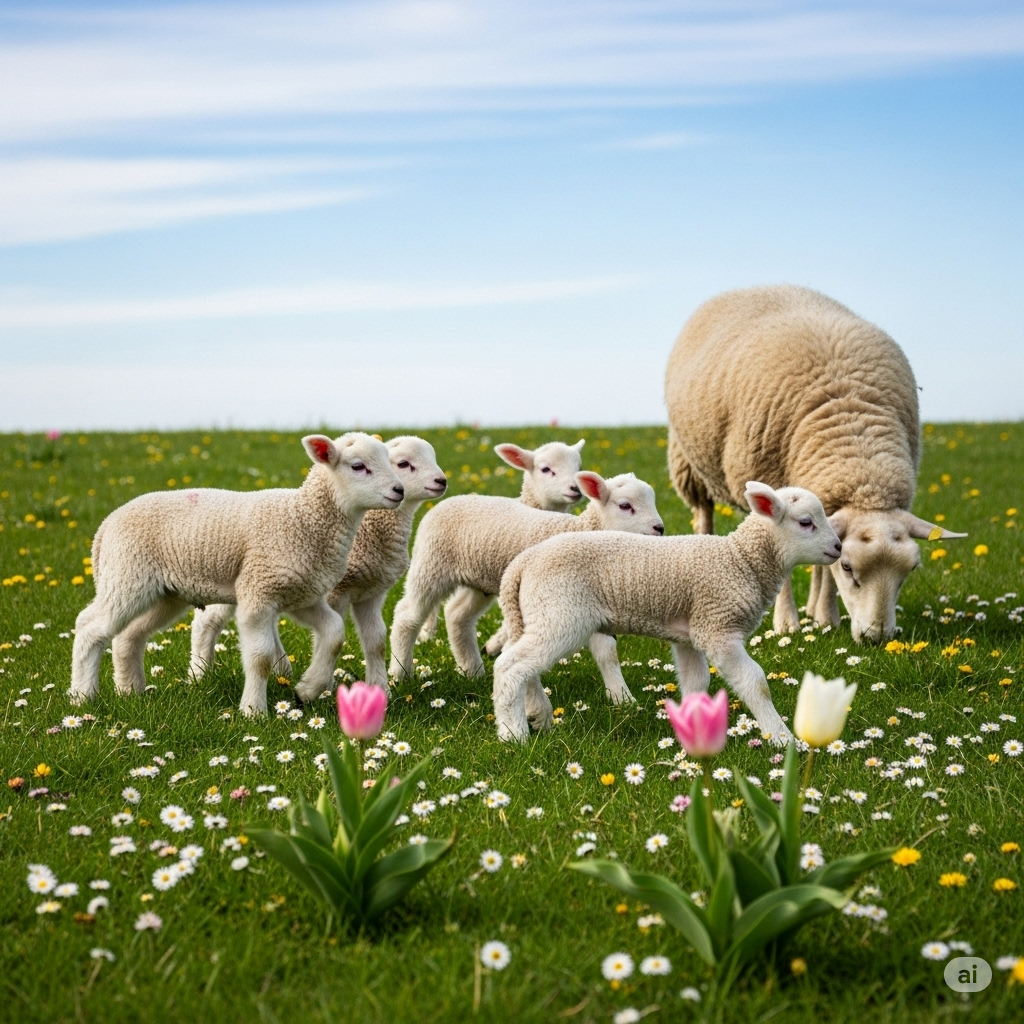
Our laying hens are part of the same farm as the lambs and the cattle, and the eggs come to the shop in Prague rather than through a packing centre. They are dated on arrival, so you can see for yourself where they sit on that scale.
Where to get it
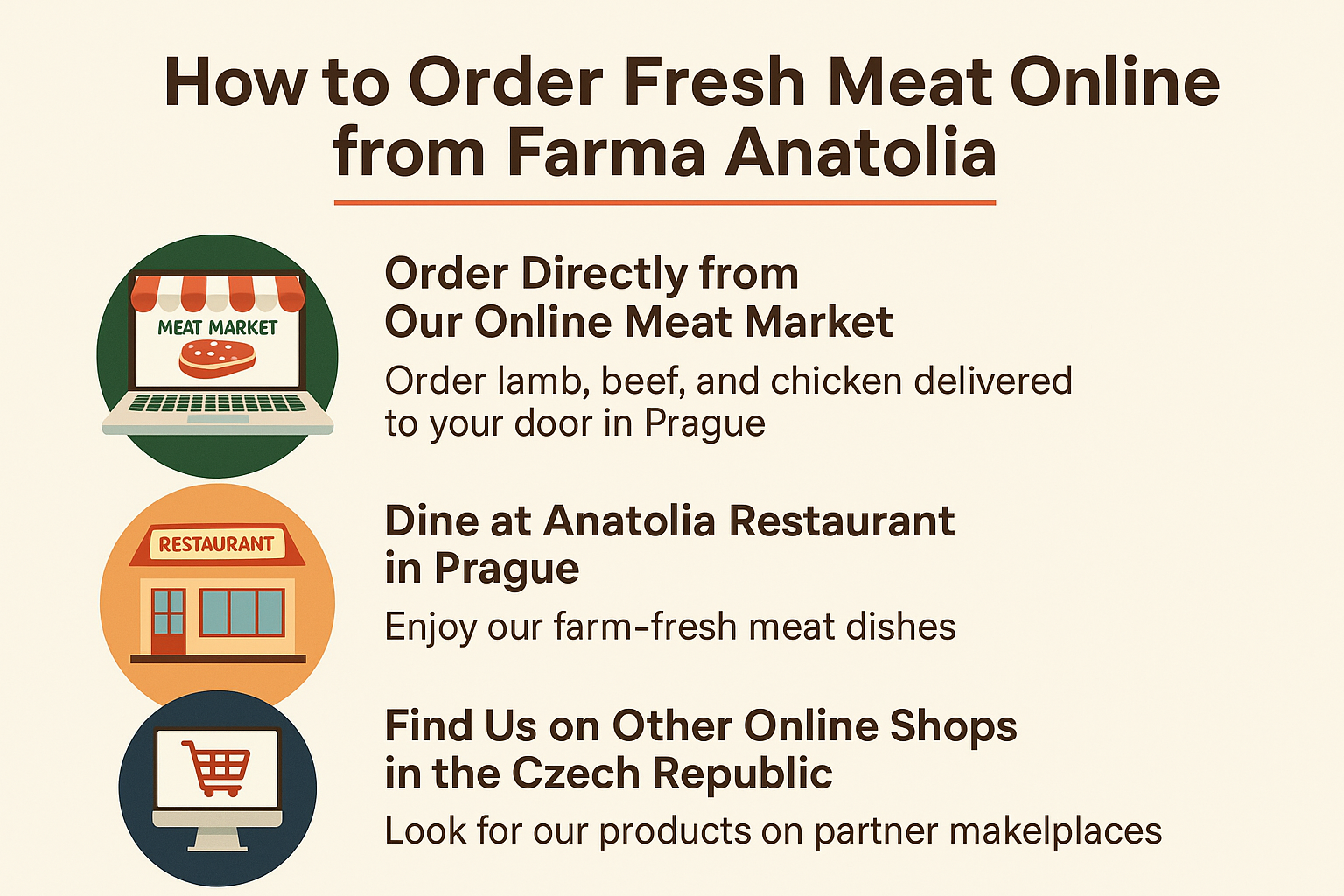
All of it comes from our own farm near Rakovník and our own abattoir. You can buy it over the counter at Anatolia Meat Market, Na Poříčí 1933/36, Prague 1 (every day 09:00–21:00), order it online, or eat it cooked over charcoal next door at Anatolia Grill Restaurant.